8 Fast Food Favorites Vanishing After RFK Jr.'s Food Dye Ban in Canada
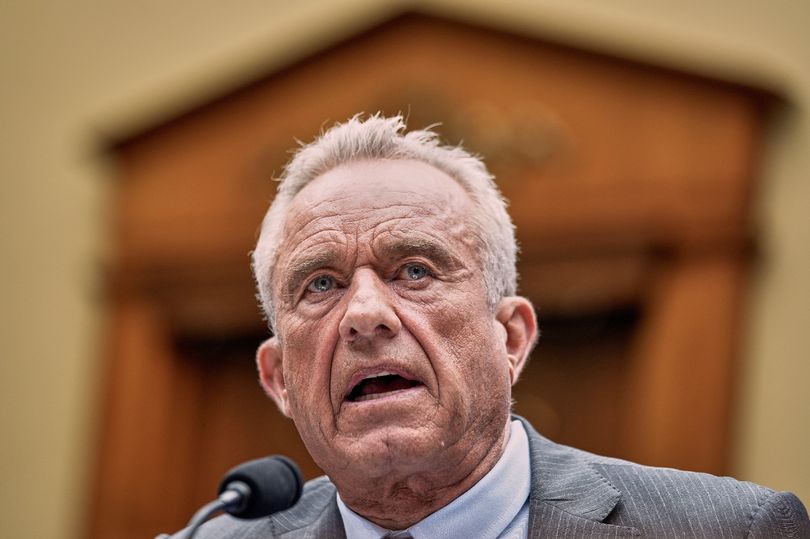
For many Americans, fast food is a tasty, quick and convenient staple in their busy routines. But if Robert F. Kennedy Jr . has his way, some of your favorite fast food items might be headed for a major makeover, if they survive at all.
As part of a sweeping health initiative, RFK Jr. has proposed cracking down on artificial additives in food. That includes colorings, preservatives, and synthetic flavor enhancers that are used in everything from burger buns to milkshakes.
Should his proposals come to fruition, some of America’s most iconic drive-thru items could be forced to make major changes. It came amid major Donald Trump dementia fears after a psychologist spotted a 'telltale sign' .
READ MORE: Lip reader reveals Trump's three-word question to Melania that hints at state of their marriage
READ MORE: Robert F Kennedy Jr probed over claims he decapitated a whale with a chainsaw before taking it home
French fries, for example, which owe their signature color and texture to additives like dimethylpolysiloxane (an anti-foaming agent) and dextrose (a type of sugar).
Both ingredients help fries look and taste the same every time but under stricter guidelines targeting synthetic ingredients, they may be flagged for removal.
Fast food chicken sandwiches, too, could get a rewrite.
Many use MSG to enhance flavor, and the buns often contain texturizers like monoglycerides and DATEM to keep them soft. While MSG is FDA-approved and classified as safe, it remains controversial and may not align with the new push toward more natural ingredients.
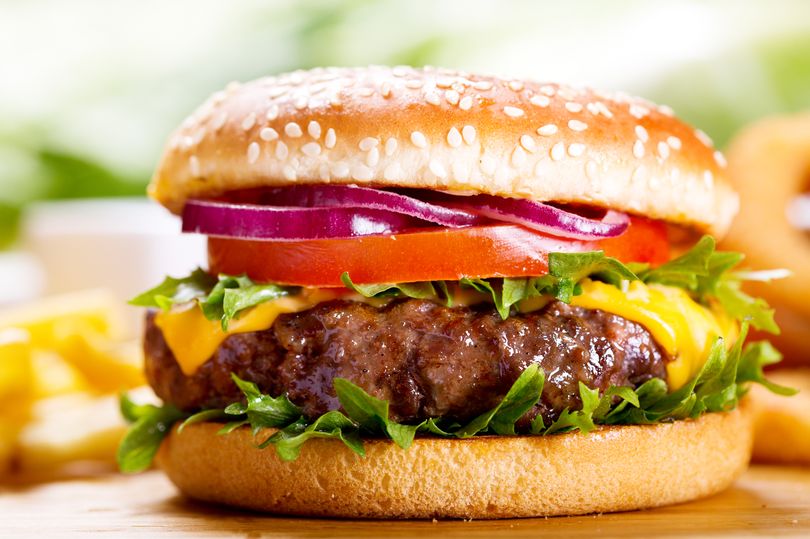
Burger buns could also come under fire. Some contain preservatives like calcium propionate and dough conditioners such as L-cysteine. Both are ingredients that could be deemed too processed under the proposed reforms.
Combined with high sodium levels, fast food burgers could face calls for reformulation.
It’s not just the savory items as sugary coffee drinks often rely on high-fructose corn syrup and artificial flavors, with whipped toppings stabilized by carrageenan – an ingredient linked to digestive issues in some studies.
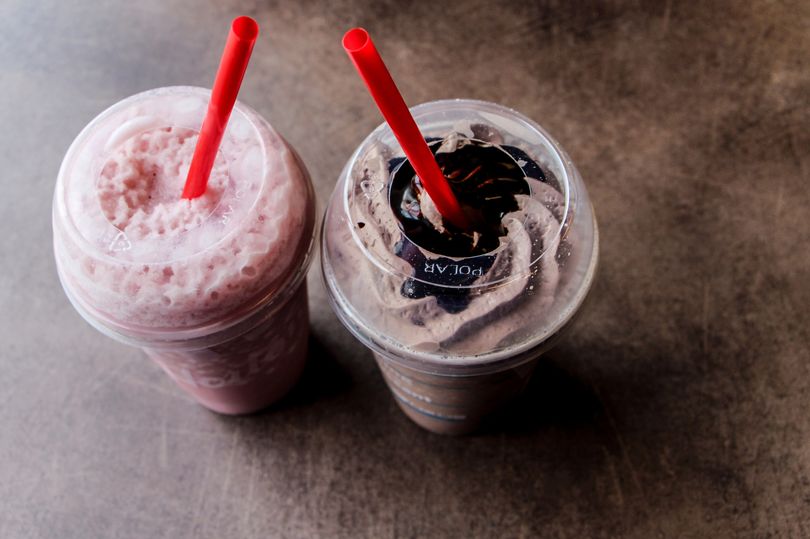
Milkshakes use heavily processed thickeners like guar gum and artificial vanilla flavors. If policies push toward cleaner labels, they could look and taste very different in the future.
Roast beef sandwiches aren’t off the hook either. Many use sodium phosphates and potassium lactate to stay fresh, but those are processed additives.
Similarly, tacos often rely on propylene glycol for moisture and artificial flavors in the filling, both of which could be banned or restricted.
Classic comfort food items like mac and cheese and chili cheese dogs also stand to be impacted.
Many versions use modified food starches, synthetic salts, and artificial smoke flavoring – ingredients that could disappear if the rules shift toward whole-food alternatives.
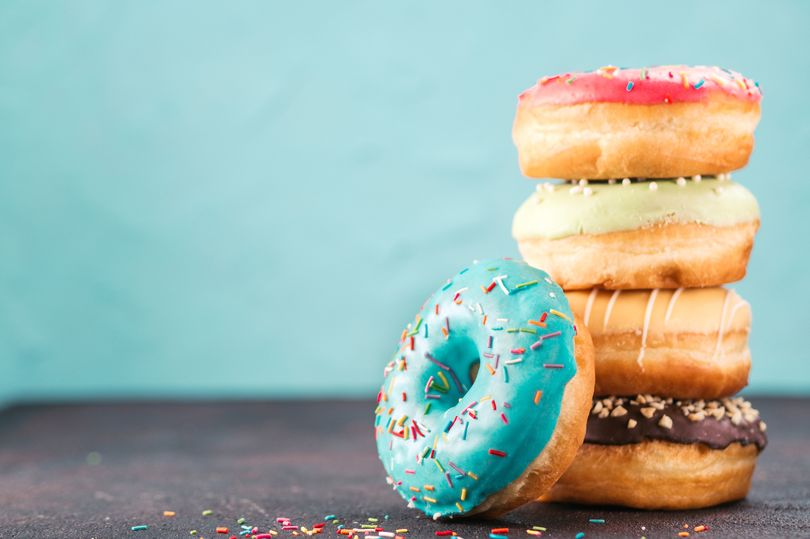
Even donuts and biscuits could change. Glazes often use emulsifiers and artificial flavors, while biscuits sometimes contain trans fats and preservatives like BHT.
Those ingredients are already banned in other countries, and stricter US policies might force fast food chains to swap them out for natural versions.
While RFK Jr.'s proposals are not yet law, they reflect a growing push for cleaner labels and transparency in the food industry.
If adopted, these reforms could significantly reshape the fast food landscape, changing the way millions of Americans eat, one menu item at a time.
