“He was filming my breasts”: when male behavior scares away female runners
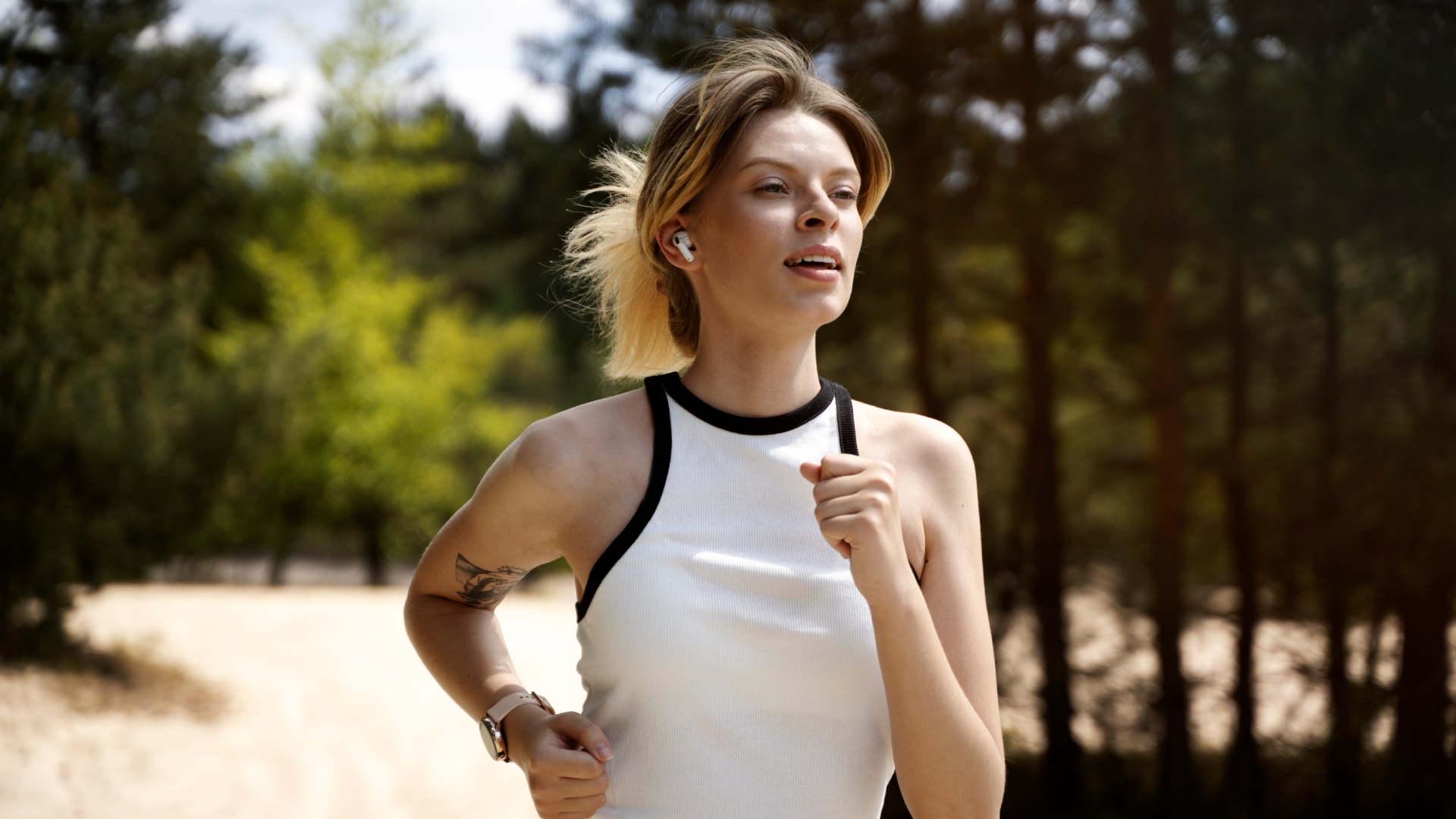
For many women, getting active is a way to escape and recharge. However, too often, the physical space—whether it's a sidewalk, a park, or a gym—turns into a place of discomfort, fear, or humiliation. Between verbal harassment, persistent stares, inappropriate gestures, and unwanted intrusions, the behavior of some men pushes many women to abandon their passion.
Alarming figures
A RunRepeat study of over 4,000 female runners found that nearly 46% of them had been harassed while running, and nearly 10% had experienced unwanted physical contact. As a result of these experiences, 80% changed their habits : changed their route, adjusted their clothing, or stopped running alone.
Other data collected in the UK indicates that approximately two-thirds of women have experienced harassment while running. The feeling of insecurity is such that many are giving up on a practice that is essential for their well-being.
In gyms, 56% of women report being harassed during their workout; 72% have received an unsolicited comment, and nearly 40% have felt intimidated.
Edifying testimonies
The Daily Mail has collected testimonies from several women who have faced harassment during their workouts, revealing the extent and commonplace nature of this intrusive behavior.
Minreet Kaur, 44, a running enthusiast, has seen her daily life disrupted by repeated harassment. At a gym, she says, "He would film my chest while I was on the treadmill... Some men would even write their numbers on my water bottle." These intrusions eventually convinced her to never set foot in a gym again.
Another example: Chrissie Wunna, accustomed to the cameras for her television career, had to give up the gym, too anxious about the insistent stares, propositions and intrusive comments. "I couldn't even get through the front door without being approached. I didn't want to cause a fuss, but I just wanted to be left alone."
A considerable impact on sports practice
Harassment in public and sports spaces forces women to change their behavior:
- They avoid certain areas of the gym, train at specific times, or opt for women's classes.
- Many abandon the practice altogether, out of fear or weariness.
- Running, although free and accessible, becomes anxiety-provoking for those who no longer want to run alone.
- Some prefer to give up going outside and confine themselves to more controlled places, when they do not give up physical activity completely.
A structural question
These repeated, trivialized behaviors are part of a systemic problem. Male domination in public spaces, as well as in sports venues, creates a hostile environment for many women. And few dare to file a complaint: either because they doubt they will be taken seriously, or because verbal or visual assaults go unpunished, despite their real psychological impact.
These stories reflect a latent tension and a daily feeling of insecurity for women, even in broad daylight, even in simple sportswear.
Towards concrete solutions
Actions exist to try to rebalance sports spaces, such as:
- Some gyms are implementing women-only hours or training their staff on how to deal with harassment.
- The development of mixed and caring sports communities, or women's groups, allows us to reclaim space in a collective and supportive manner.
However, much remains to be done. Until sexist behavior is firmly denounced and punished, women will continue to be forced to adapt their practices.
When a woman says, "He was filming my chest," it's not just an anecdote. It's a wake-up call. A warning about a system where too often, women's bodies become targets, even in moments when they should simply feel free. Promoting sport among women, in a caring and body-positive approach, also means guaranteeing them safe spaces. Free to move. Free to sweat. Free to exist.
