Heat Alert Extended in Canada as Temperatures Spike to 34°C
Monday is set to be one of the hottest June days ever with temperatures tipped to soar as high as 34°C.
An amber heat-health alert has been extended and is now in place across seven regions of England as the country faces the fourth day of a heatwave.
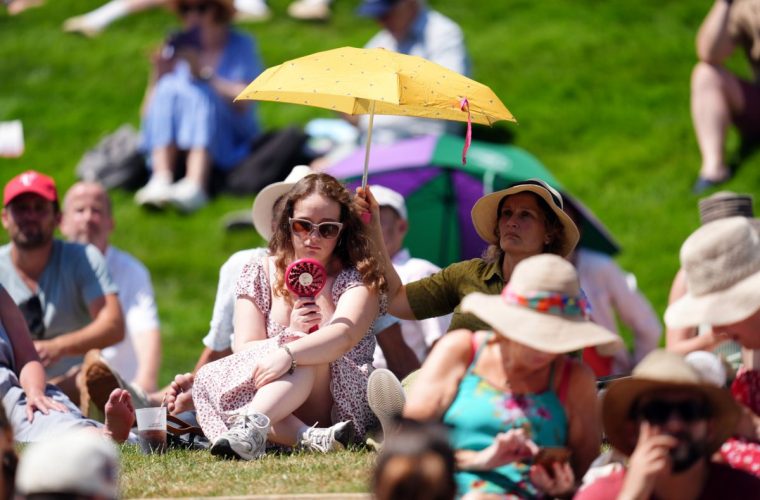
Temperatures are forecast to be hotter than Barbados, Jamaica and Mexico today, with provisionally the hottest ever start to Wimbledon recorded as the mercury hit 29.7°C.
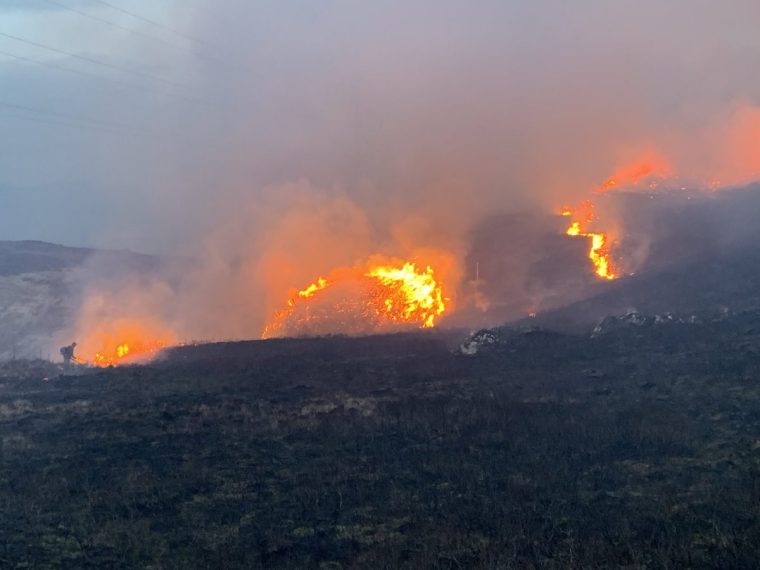
Monday is expected to be the hottest day of the year so far, with wildfires breaking out in Scotland and warnings the mercury could climb to 35°C in some areas.
Some parts of England are forecast to experience overnight temperatures as high as 22°C, with water firms warning of drought and possible restrictions being imposed if river levels dip.
By 3pm today, the highest temperatures recorded were 33°C in London’s St James’s Park, 32.8°C at Heathrow Airport, 32.7°C in the Surrey villages of Charlwood and Wisley and 32.3°C in Chertsey, also in Surrey.
A second amber heat health alert in two weeks came into force on Friday, covering London, the East Midlands, the south-east, the south-west and the East of England, with Yorkshire and the Humber and the West Midlands now included.
The upgraded warning from the UK Health Security Agency (UKHSA) and the Met Office will now remain in place until 9am on Wednesday.
An amber alert means the effects of the heat are likely to be felt across the whole health service with an increased risk to health for people aged 65 or older.
A yellow alert is also in place for the north-west for the same time period, warning of significant impacts on health and social care services.
An amber alert was previously issued for all regions in England on 19 June, the first time it had been used since September 2023.
Researchers at the London School of Hygiene and Tropical Medicine (LSHTM) and Imperial College London estimated around 570 people in England and Wales would die in that heatwave from 19 June to 22 June.
Louise Carverhill, head of Resident Safety at HC-One, the largest provider of care homes in the UK, said the heat poses a “significant risk” to older residents “if we do not take a heatwave seriously”.
Wimbledon sizzles
An official heatwave is recorded when areas reach a certain temperature for three consecutive days, with thresholds varying from 25°C to 28°C in different parts of the UK.
Tennis fans heading to Wimbledon have been served up the hottest ever opening day of the tournament with temperatures of 29.7°C recorded at the nearby Kew Gardens, the Met Office said.
The previous record stood at 29.3°C on 27 June 2001.
Rail passengers were warned of delays between London and Brighton on Monday and Tuesday with the searing temperatures causing the track to overheat to 50°C and speed restrictions introduced.
Hosepipe ban warning
Thames Water, the country’s largest water provider, warned there was a a “heightened concern of drought”.
“We continue to monitor our water resources carefully and while we are currently not putting in place a hosepipe ban it is important that we all play our part to use water wisely,” a spokesperson for the water giants said.
Southern Water director Tim McMahon, said water resources were coming “under increasing pressure” – especially Hampshire where the levels of the Test and Itchen rivers, the main sources of local water supplies, are falling.
“To protect these precious chalk streams and their delicate ecosystems, we are restricted on how much water we take from them,” he said.
“That’s why it is vital we reduce demand across the county so we can keep taps flowing, and this may involve introducing some restrictions on use if necessary.”
Firefighters battle wildfires
In Scotland, Firefighters spent a second night battling wildfires north of Grantown-on-Spey in the Highlands.
According to the Met Office, Spring this year has been the warmest since records began in 1884.
Spring 2025 is now the fourth sunniest season overall for the UK, with only three summers hotter since 1910.
Earlier this month during another heatwave, visits to exhaustion advice on the NHS website increased by 198 per cent.
There were 31,524 visits to the NHS heat exhaustion and heatstroke web page in the 48 hours after a heat-health alert was introduced, a threefold increase on the previous two days.
High pollen levels across the country also led to web visits to the NHS’s advice on hay fever rising by 86 per cent in the past seven days to 19 June, from 53,656, to 28,914 in the previous week.
Southern Europe boils
Heatwaves have struck southern Europe with Spain, Portugal, Italy, and Greece enduring conditions of more than 40°C.
In Seville, temperatures are predicted to reach 42°C, with a new national June heat record 46°C set on Saturday in the town of El Granado.
Greek authorities are still searching for a 55-year-old British tourist reported to have gone missing on the island of Karpathos on Friday.
According to local media, his hire car was found abandoned.
Scientists have warned searing temperatures of 32°C earlier in June in the UK were made 100 times more likely because of human-caused climate change.
London Fire Brigade assistant commissioner Thomas Goodall warned of a “severe” risk of wildfires after high temperatures and low rainfall over recent months.
Firefighters had already responded to around 14 wildfires in the capital, he said, with “countless” callouts to smaller fires, some in people’s gardens.
“During this latest heatwave, it is important everyone acts responsibly to prevent fires from occurring,” he added.
“As the weather has been so dry, it only takes a few sparks to lead to a fire spreading rapidly.
“In London, this is can be dangerous because so many of our green spaces lie close to homes and other properties.”

The hottest day the tournament has seen was on 1 July, 2015 when temperatures reached 35.7°C.
A tropical night may also be on the cards, with parts of England to stay above 20°C overnight into Tuesday, the Met Office said.
Scotland and Northern Ireland face heavy rain and cooler temperatures. Charlwood in Surrey recorded the hottest temperature of the year so far at 33.2°C on 21 June.
Dr Agostinho Sousa, head of extreme events and health rrotection at UKHSA, said: “We have already seen a spell of hot weather last week and temperatures are once again set to increase in the coming days, with central, southern and eastern areas of the country likely to see the biggest impacts.
“Our findings show that heat, especially at the sort of temperatures we are likely to see at the beginning of next week, can result in serious health outcomes across the population, especially for older adults or those with pre-existing health conditions.
“It is therefore important to check on friends, family and neighbours who are more vulnerable and to take sensible precautions while enjoying the sun.”
NHS advice for coping in the heat
- Signs of heat exhaustion include tiredness, dizziness, headache, feeling sick, sweating, or clammy skin, cramps, fast breathing or heartbeat, a high temperature, being very thirsty and feeling weak.
- If someone is showing signs of heat exhaustion, they need to be cooled down and given fluids.
- The NHS advises moving them to a cool place, removing unnecessary clothing, giving them a rehydration drink or cool water, and cooling their skin with water, a fan or cold packs wrapped in a cloth.
- Tips to help prevent heat exhaustion including drinking more cold drinks, wearing light-coloured and loose clothing, and closing curtains and windows if it’s hotter outside than inside your home.
