Starmer Unveils Plan to Slash Wait Times After Controversial Welfare Shift
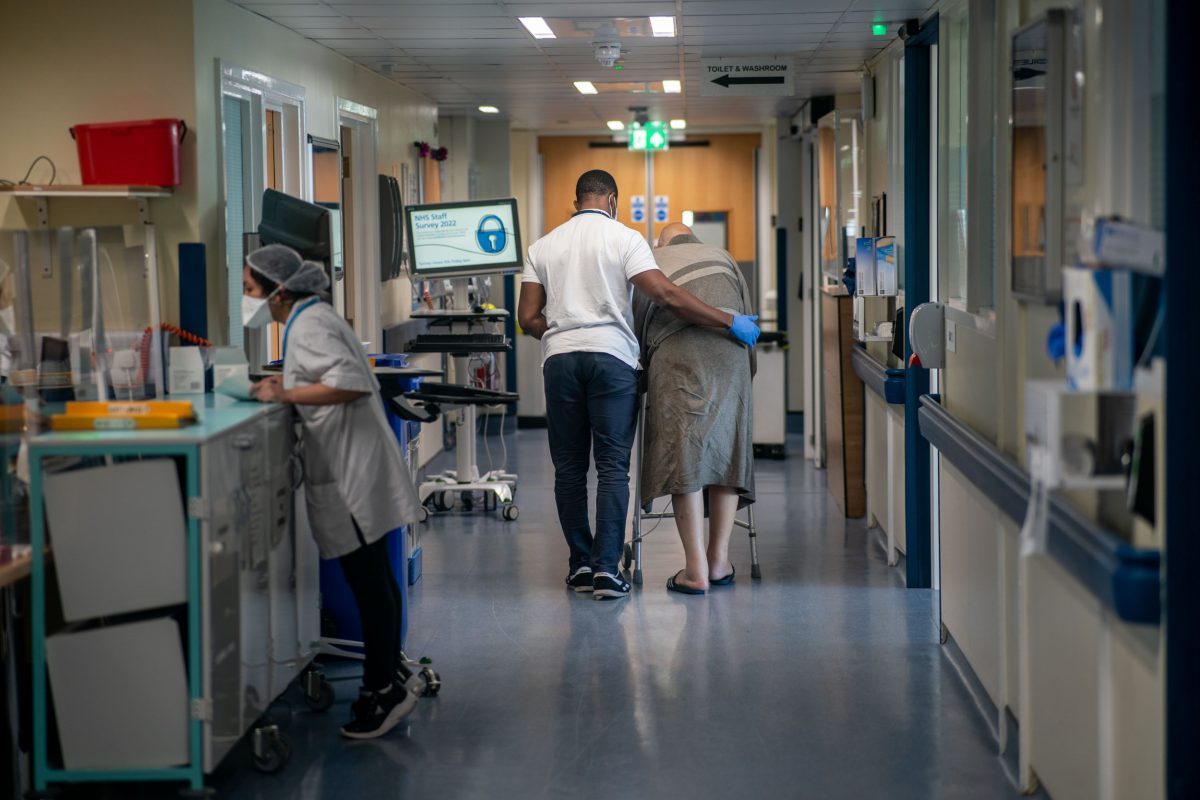
Sir Keir Starmer will set out plans for the salaries of doctors and nurses to be linked to hospital’s performance on his ten-year plan for the NHS next week.
Under the Government’s 10-year plan for the NHS, funding for hospitals will be linked to their performance in reducing waiting lists and how patients have rated their treatment.
Last month it was revealed that the number of patients waiting for treatment rose by almost 19,000 to a total of 7,420, 899 million in March, up from from 7,402, 148 million in February.
It is proposed that patients will be contacted a few weeks after their treatment and asked if it was good enough for the hospital to receive a full payment.
This comes after the new head of NHS England, Sir Jim Mackey told The Daily Telegraph the public see hospitals as a “pain in the arse ” as the health service has built “mechanisms to keep the public away”.
One of the key proposals in the plan is likely to be a significant expansion of weight-loss injections. GPs have been overwhelmed by requests for the weight loss jabs from patients in a NHS rollout this week.
Another main focus for the plan is introducing targets for supermarkets to reduce sales of unhealthy foods.
The plan comes in the aftermath of Starmer’s U-turn on making welfare cuts after facing a significant rebellion from a large number of his backbench MPs who indicated they would vote against them.
Ahead of the plan being released, The i Paper takes a look at the proposals for hospital funding in further detail and how the public can shape it.
How will the hospital funding plan work?
Under the proposals, if patients say they are not happy about their treatment, about 10 per cent of “standard payment rates” will be diverted to a local “improvement fund”, The Times reports.
The first pilots of the scheme will rolled out in services with a record of poor care, before being introduced around the country next year.
It is proposed that the public will be able to rate GPs and hospital services on the NHS app.
How will it be rolled out?
Among the first services to trial the scheme are maternity services.
This comes after Health Secretary Wes Streeting this week launched a national review into maternity services saying that women had been “ignored, gaslit [and] lied to” by the NHS.
The NHS gives hospitals standard funding that can range from £2,825 for births to £8,383 for an emergency caesarean and £9,236 for a hip replacement.
As part of the proposals the payments will be reformed in a bid to divert more money from hospitals to cheaper GP appointments.
Streeting promised this will ensure “more patients are cared for in their community and the comfort of their own home”.
Read Next: Wes Streeting’s three-point plan to save the NHS
NHS bosses concerned by proposals
Senior NHS bosses are concerned about the plans, including Matthew Taylor, chief executive of the NHS Confederation.
He said: “None of our members have raised this idea with us as a way of improving care and, to our knowledge, no other healthcare system internationally adopts this model currently.
“Patient experience is determined by far more than their individual interaction with the clinician and so, unless this is very carefully designed and evaluated, there is a risk that providers could be penalised for more systemic issues.”
What else will be set out in the plan?
One of the aims set out in the plan is to give health chiefs a single annual payment for all treatments that people who live in a local area might need.
Streeting said this would encourage them to spend more on cheaper preventative care, rather than A&E visits which can cost more.
He said in some parts of the country he will attempt to use competition between care providers to drive up standards as patients “shop around” for short waits.
The plan will also improve the NHS app to give patients more choice over where they are treated, and who treats them.
Streeting said he hopes this will give people more “power and control” over care and reset an “unequal” relationship between patients and doctors.
Streeting set out plans earlier this year to dish out bonuses of 10 per cent to hospital bosses who can cut waiting times, and ban pay rises for those that don’t.
In the plan he is expected to give bonuses to clinical staff if they can provide faster and better care.
This comes after unions and staff groups have threatened to strike over pay.
Unions have not rejected the proposals but demanded wider reform of NHS pay in return.
Ministers hope the plans give them a way of topping up pay, as well as providing an incentive to teams to improve results.
