Stretching: Are You Doing It for the Right Reasons?
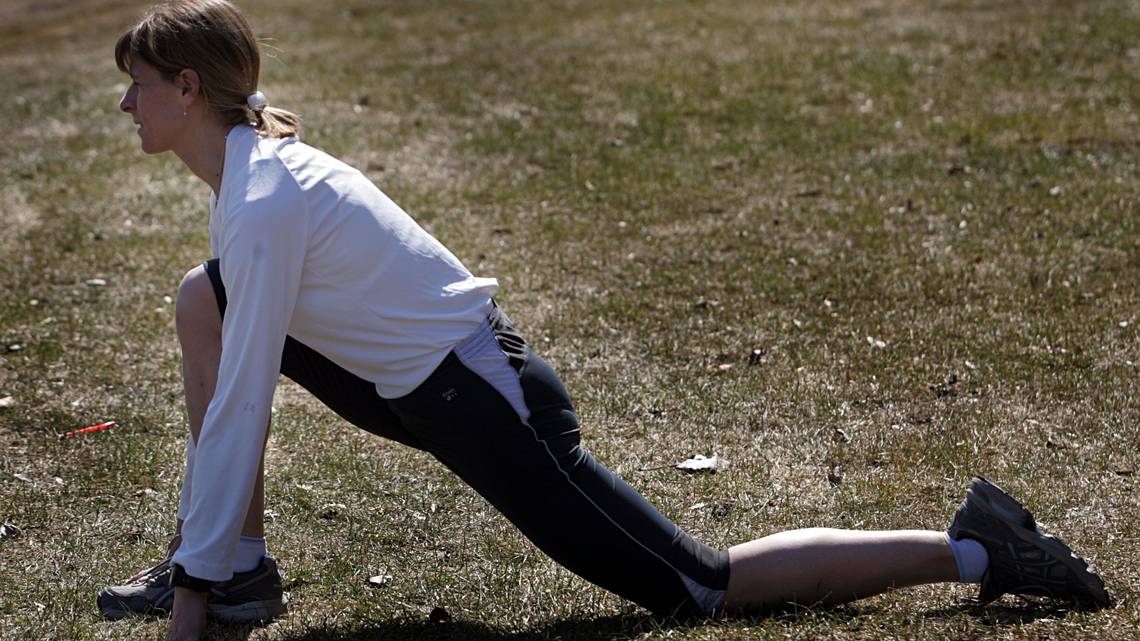
What we thought we knew about stretching might be wrong. One of the five components of fitness, (cardiovascular endurance, muscular strength, muscular endurance and body composition are the other four), flexibility or range of motion has long been associated with better physical performance. Yet despite reams of research going back decades, opinons about the benefits of stretching before and after a workout are divided.
But it’s not only whether or not stretching should be part of a regular fitness routine that prompts discussion. How to stretch is also a hot topic, with plenty of division about how long, how often and how intense your stretching routine should be.
It doesn’t help studies on stretching use a variety of protocols, making it tough to compare results. Differences in the length of time a stretch is held, number of stretches performed, and type of stretch used can lead to vastly different conclusions.
To help gain clarity on a practice that has been around for thousands of years, an international panel of 20 researchers gathered to develop a consensus statement on stretching. To reach their conclusions the panel reviewed the latest research on eight different topics, including the short- and long-term effects of stretching on range of motion, strength, muscle size, stiffness, injury prevention, muscle recovery, posture and cardiovascular health.
“Stretching has a wide appeal, but there seems to exist some mismatch between its purported applications and what evidence shows,” the panel of researchers says.
The panel’s first task was to define the various types of stretching, which is important given it’s common for one type of stretching be recommended over another.
Static stretching is the most traditional style and refers to lengthening the muscle until it reaches gentle tension and holding it for a specific length of time. Dynamic stretching lengthens the muscle, but there’s no static hold. PNF stretching starts with a static stretch, which is placed under resistance (often by a partner resisting against the stretched muscle) and then stretched again without resistance.
With stretching definitions agreed up, the panel examined the protocols for improving range of motion, reporting the best short-term results occur after holding a stretch for five to 30 seconds and repeating it at least once more. Interestingly, the results are similar no matter what type of stretching is performed — static, dynamic or PNF. There is a caveat, however, not all muscles responded similarly to the same stretching routine.
“Some muscles, due to their volume, architecture, or resting tensions, may need longer durations than others to achieve appreciable range of motion improvements,” according to the Consensus Statement.
If the goal is to effect more long-term changes in range of motion, the stretching protocol changes. The Consensus Statement recommends using static or PNF stretching over dynamic stretching and performing two to three sets daily holding each stretch for 30-120 seconds per muscle. Also worth noting is foam rolling proved an effective alternative for traditional stretching.
“Foam rolling has been shown to induce comparably large range of motion increases,” the panel of experts said.
Stretching prior to exercise remains controversial, with many trainers and coaches recommending pre-exercise stretching as a strategy to improve athletic performance and reduce injury. Research doesn’t back those claims.
“The panel does not recommend stretching for injury prevention in general,” the researchers stated.
As for statements of improved athletic performance, once again stretching before physical activity falls short of expectations. Static stretches held for more than 60 seconds actually decrease performance, especially when it comes to activities that require strength, quickness and power. If stretching before a workout or competition is a regular part of your routine, consider making a couple of changes. Holding a stretch for less than 60 seconds or using a foam roller proved effective at increasing range of motion without affecting athletic performance.
Some people prefer stretching after a workout, believing it helps avoid the type of muscle soreness that sets in after a tough session. Once again, the panel of experts said, stretching under-delivers.
“Stretching seems largely inefficient as a post-exercise recovery strategy,” according to the Consensus Statement.
Not everyone stretches to improve athletic performance. For many, stretching is their remedy of choice for chronic muscle stiffness. For the best results, the Consensus Statement recommends static stretching for more than four minutes per muscle, five days a week for at least three weeks. That doesn’t mean holding a single stretch for four minutes, but rather accumulating a total of four minutes of stretching per muscle during your regular routine.
Another popular goal of stretching is to improve posture, with physiotherapists often recommending a specific series of stretches to combat rounded shoulders or tight hips. But the science supporting the practice is weak, leading the panel to question the efficacy of using stretching to correct posture.
“Based on the current evidence, the panel does not recommend stretching to promote postural changes,” the experts said in the Consensus Statement.
With so many traditional claims about stretching now officially debunked, its questionable whether stretching deserves a place among the list of essential components of fitness. But that doesn’t mean it’s a waste of time.
There’s no doubt stretching improves range of motion, both in the long and short term. This added flexibily has a positive effect on day-to-day movement, overall health and well-being and physical activity. But the performance and recovery benefits of stretching before and after a workout have likely been oversold. Stretch to feel good and to improve flexibility, just don’t count on stretching to make you faster, stronger or more agile.
