**Sweat Secrets: Your Diet’s Bigger Role Revealed**
Do you sweat profusely as soon as the temperature rises? You're not alone, and your body is simply doing its job. However, did you know that what you put on your plate can have a direct impact on that annoying sweat?
When the heat rises, power comes into play
Sweating is a bodily superpower: it regulates our temperature and protects us from overheating. Except that when sweat stains appear with the slightest step or your back becomes a skating rink with the slightest effort, it quickly becomes annoying. While we often blame the weather or overly generous genetics, it's time to take a fresh look at what you eat. Because yes, what you eat can amplify (or calm) your summer sweating episodes.
Spices and iced drinks: well-known false friends
The classic of classics: spices. It's true that chili, pepper, or ginger have that little "fireworks" effect in your mouth. It's not just a matter of taste: they slightly raise your internal temperature, which triggers a direct response from the body... you guessed it, a good sweat. And while this phenomenon can boost your metabolism, it quickly becomes a burden in the middle of July.
What about iced drinks? We think we're doing the right thing by gulping down a lemonade straight from the fridge. Except that by creating a thermal shock, we force the body to compensate for this cold sensation by... sweating. The result: you feel even hotter. The solution? Warm, or even hot, drinks (yes, a hot tea can be your best friend in the sun). Less heat stress, less unnecessary sweat.
Caffeine, alcohol, salt: unsuspected triggers
We don't think about it as much, but coffee, black tea, and alcohol deserve their badge as triggers. Rich in caffeine or theine, these beverages stimulate the nervous system and activate the sweat glands. Alcohol, on the other hand, acts as a vasodilator: it dilates blood vessels, which raises body temperature and encourages the body to... sweat more.
And it doesn't end there. Highly salty or high-sugar foods, such as cold cuts, chips, sodas, or processed pastries, also increase water retention and disrupt the body's water balance. The result? Increased sweating, a feeling of constant clammyness, and sometimes even fatigue or migraines caused by poorly managed dehydration.
What you eat also influences how you smell
Here too, what you eat plays a role. Certain foods alter the chemical composition of your sweat. Alcohol, ultra-processed foods, rich sauces, or very strong spices can alter body odor, sometimes quite significantly. Why? Because they tax the liver, overload the elimination system, and create toxins that can be eliminated... through the skin.
Fortunately, the solution isn't hidden in a miracle perfume, but rather in your fridge. A diet rich in fresh foods, fiber, and natural antioxidants (thank you, berries, green vegetables, and fresh herbs) helps your body sort through its waste. Fewer toxins, easier digestion, and more serene skin.
Eat better to sweat less (and live better)
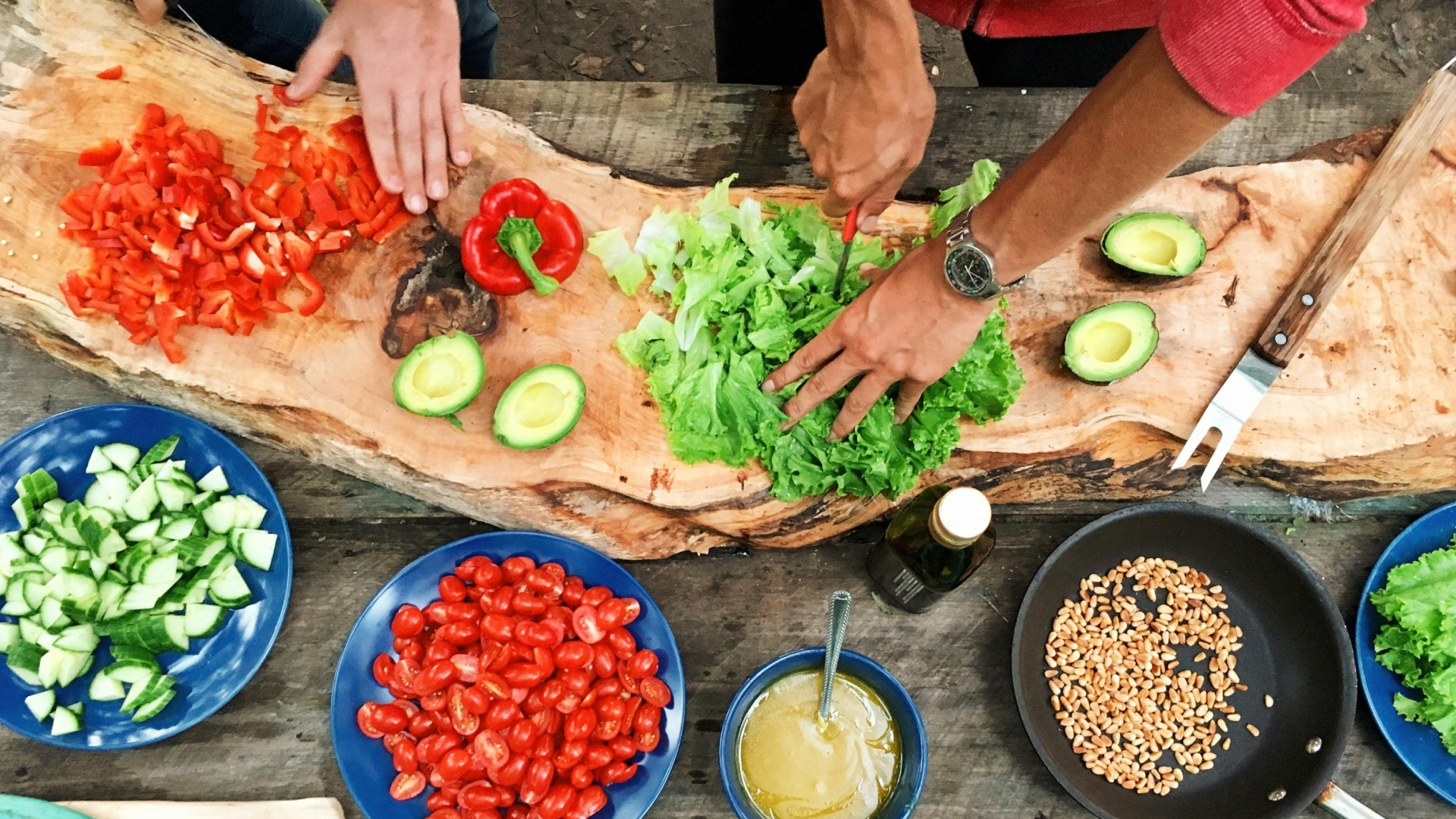
So, what can you do to avoid turning your T-shirt into a towel? There's no need to revolutionize your diet or deprive yourself. Instead, it's about making smart choices. Choose light meals, gentle cooking methods, and hydrating foods like cucumber, watermelon, or tomatoes. Forget heavy sauces and say hello to homemade vinaigrettes and fresh herbs. And above all, drink water regularly... but at room temperature.
A balanced diet won't make sweating disappear (and that's not the goal), but it will help keep it at a manageable level, without excesses. You'll feel more comfortable, fresher, and your body will thank you.
Sweating isn't dirty or shameful. It's your friend. It protects you, cools you, and it's part of your overall body care routine. You can help it do its job more comfortably, and that starts with breakfast.
