**Sweating in Silence: What If It’s Beyond Your Control?**
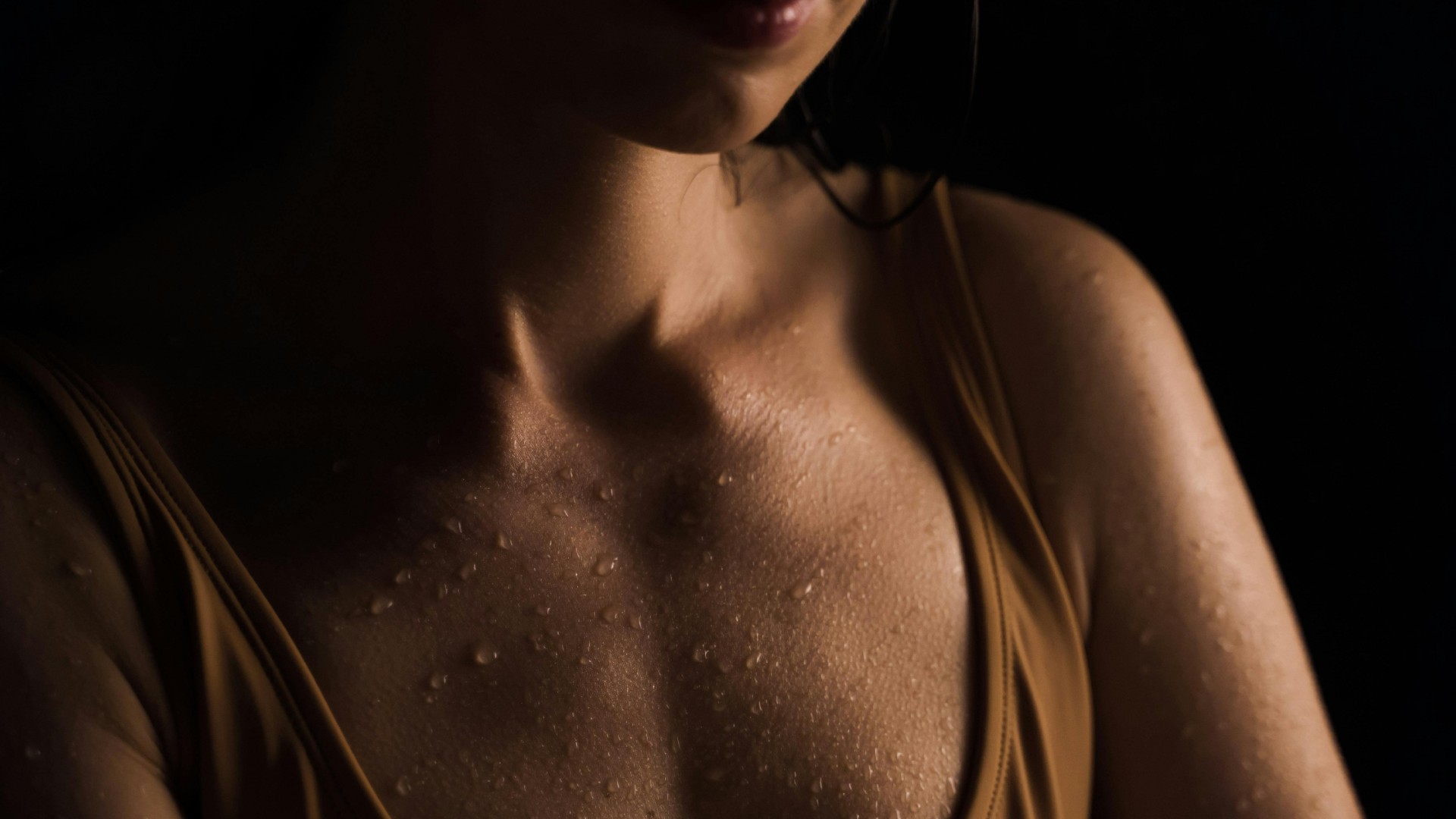
Sweating, spots, odors: sweating remains one of the last great bodily taboos. It's associated with poor hygiene, laziness, or even a loss of control. Yet, sweating is a natural, even vital, physiological mechanism—our body regulates its temperature, eliminates toxins, and reacts to stress. What if the problem lies more with social norms than with your body?
Well-oiled social pressure
You're sold "absolute dryness," "zero-trace skin," synthetic fragrances that promise to neutralize any "odorous imperfection." The cosmetics industry has found a golden marketing enemy in sweat: invisible, but feared. The result? From the first signs of body heat, you have to camouflage, erase, and control it.
And as is often the case, society doesn't forget to distribute these injunctions unequally. Women, in particular, are bombarded with messages urging them to stay fresh, clean, soft, and discreet. To sweat is to lack class, to lose control, to "look sloppy." Why is this sweat so disturbing? Because it makes the body alive, palpable, real. And this, in a society that prefers retouched images to biological reality, is an almost subversive act.
The absurd ideal of “dry skin”
Even though we're bombarded with promises of "zero sweat," sweat doesn't spare anyone. Do you have marks on your shirt after a stressful meeting? That's normal. Does your T-shirt stick to your back after a 10-minute walk in the summer? That's still normal. Whether you're a man in a suit, a woman in a dress, or a non-binary person in sweatpants: you have sweat glands. And they're just doing their job.
Some people sweat more than others, depending on multiple factors: genetics, metabolism, hormones, diet, emotions… And that doesn't mean they're dirty, lazy, or "less presentable." It means they're human. Nothing more, nothing less.
Hyperhidrosis, excessive sweating that can become debilitating, deserves medical attention and careful attention. However, in the vast majority of cases, sweating is the body's healthy response to heat, exertion, and stress. It's even beneficial: it helps flush out toxins and prevent our bodies from overheating. It's not an anomaly. It's proof that your body is functioning.
Regaining Body Power
Rather than hiding under layers of clothing or dreading every trip on public transport, ask yourself this question: Why am I uncomfortable having a body that is alive? That is active? That responds to its environment?
It's the social norm, not your body, that needs to be challenged. A norm that values fixed aesthetics, flawless silhouettes, and sanitized odors. A norm that forgets that humanity isn't the silence of pores, but their activity.
Sweating isn't about "blundering" your presentation at work. It's not about "slacking off" on a first date. It's not about "looking sloppy" because you're leaving a mark under your arms. It's just... living. Your body is breathing, reacting, adapting. And that deserves respect, not judgment.
A revolution by drops
Fortunately, things are changing. Influencers are talking openly about body odor and natural deodorants. Brands are designing clothing designed to accompany perspiration rather than mask it. And above all, voices are being raised to say: enough.
Enough of this obsession with control. Enough of this liquid guilt. Enough of this shame that has been foisted on your body. In the body-positive movement, sweat has its place. It's not an "embarrassing detail," but a subject in its own right. Because reclaiming your body also means accepting that it can sometimes be damp, smelly, and visible. It's not giving in to neglect; it's refusing the tyranny of perfection.
You're allowed to sweat. You're allowed to have sweat stains. It doesn't make you less professional, less desirable, or less worthy. So the next time you feel a droplet beading on your temple, instead of apologizing or panicking, remember: It's not up to you to change. It's up to society to accept you as you are.
